
Anyone who shares their home with a dog or cat knows carpets take the brunt of that companionship. Muddy paws after a beach walk, tufts of hair worked deep into the pile, the odd accident on a rainy afternoon — it all adds up. The local carpet cleaning specialists understand exactly what pet-owning households deal with day to day, and this article offers practical guidance for keeping your carpets fresh without asking your pets to change who they are.
Prefer to watch or listen?
Listen onApple Podcasts
Why Pet Hair and Dander Sink So Deep
Pet hair does not simply sit on the surface. As people and pets walk across a room, hair gets pushed down between the fibres, where it tangles and holds fast. Dander — the tiny flakes of skin every animal sheds — is finer still and settles right at the base of the pile.
Regular vacuuming lifts the loose hair on top, and it should stay part of your routine. But even a good vacuum struggles to pull out what has bonded low in the carpet. Over time that buildup dulls the look of the carpet and holds onto odours. This is why homes with pets benefit from periodic deep cleaning that reaches below the surface layer.
Muddy and Sandy Paw Prints
Rockingham’s coastal lifestyle means active pets often come home with sand and mud on their paws. Wet dirt pressed into carpet spreads and sets as it dries, while fine sand grains work their way down and act like sandpaper against the fibres every time someone walks over them.
A few simple habits help enormously:
- Keep a towel by the door to wipe paws after walks.
- Let mud dry fully before you touch it, then vacuum the crumbly residue rather than smearing wet dirt.
- Place a washable mat in the main entry your pet uses.
- Brush sand off longer-coated pets outside before they come in.
These small steps stop most of the grit at the door, which protects both the appearance and the lifespan of your carpet.
Handling Accidents and Odours
Accidents happen, and how fast you respond makes all the difference. The moment you spot a fresh spot, blot it with a clean, dry cloth to lift as much liquid as possible. Press down and work from the outside in so you do not spread the stain wider. Avoid scrubbing, which drives the mess deeper into the fibres.
The trap many households fall into is masking odours with scented sprays. That only hides the smell temporarily. Pet urine soaks into the backing and padding beneath the carpet, and unless the source is properly neutralised, the odour returns — often stronger in warm, humid conditions. As we covered in our look at how summer humidity affects carpet cleaning, moisture trapped in the pile encourages odours and growth, so genuinely removing the residue matters far more than covering it up.
Fibre-Safe, Pet-Conscious Cleaning
Cleaning a home shared with animals calls for methods that are effective on embedded contaminants yet gentle on the pets and people who live there. Hot water extraction is well suited to this. It injects heated water and cleaning solution deep into the pile, then draws it back out along with the loosened hair, dander, dirt and accident residue.
Because the process rinses the fibres thoroughly and extracts the moisture, it lifts contaminants that surface cleaning leaves behind while minimising leftover residue in the carpet. Matching the approach and any treatments to your specific fibre type keeps the carpet in good condition and helps maintain a home that is comfortable for curious noses and paws.
Protecting High-Traffic Pet Zones
Pets are creatures of habit. They favour the same sunny spot by the window, the same corner of the lounge, the same patch at the foot of the bed. Those zones wear faster and hold more hair and odour than the rest of the room.
Give them a little extra attention:
- Vacuum favourite spots more often than the general floor.
- Use washable throws on lounges and beds where pets settle, and launder them regularly.
- Rotate cushions and rugs so wear spreads more evenly.
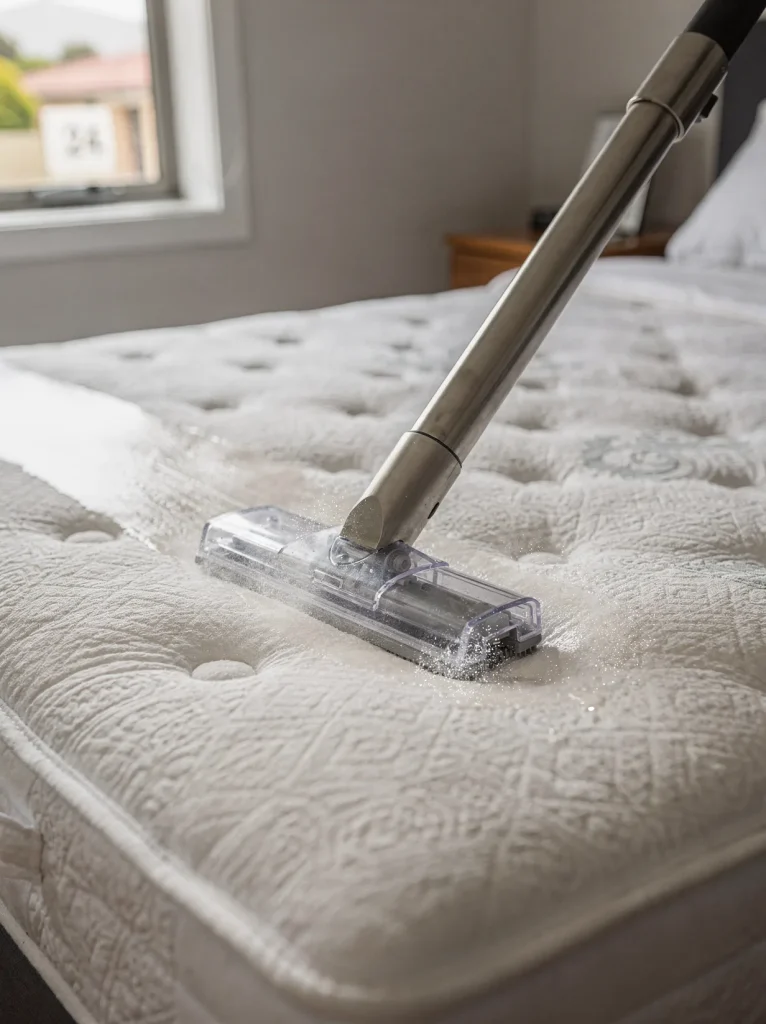
- Include upholstery and mattresses in your deeper cleaning schedule, since these soak up dander and odour just as carpets do.
A Simple Between-Cleans Routine
Staying on top of pet mess is easier with a light, consistent rhythm:
- Vacuum high-traffic and pet-favoured areas two or three times a week.
- Wipe paws and check coats for sand after every outing.
- Address any accident immediately by blotting and neutralising, not masking.
- Wash pet bedding and throws on a regular cycle.
- Schedule professional deep cleaning at intervals that suit how many pets share your home.
None of these steps take long, but together they keep a pet-friendly home looking and smelling fresh between deeper cleans.
What lingers in the carpet does not stay in the carpet. Trapped hair, dander and accident residue don’t just affect how a room looks and smells — they influence what floats up into the air your family breathes every day. That connection between clean carpets and the wider health of your home’s indoor environment is worth understanding, especially the way carpet care shapes indoor air quality and everyday breathing comfort for the whole household.