
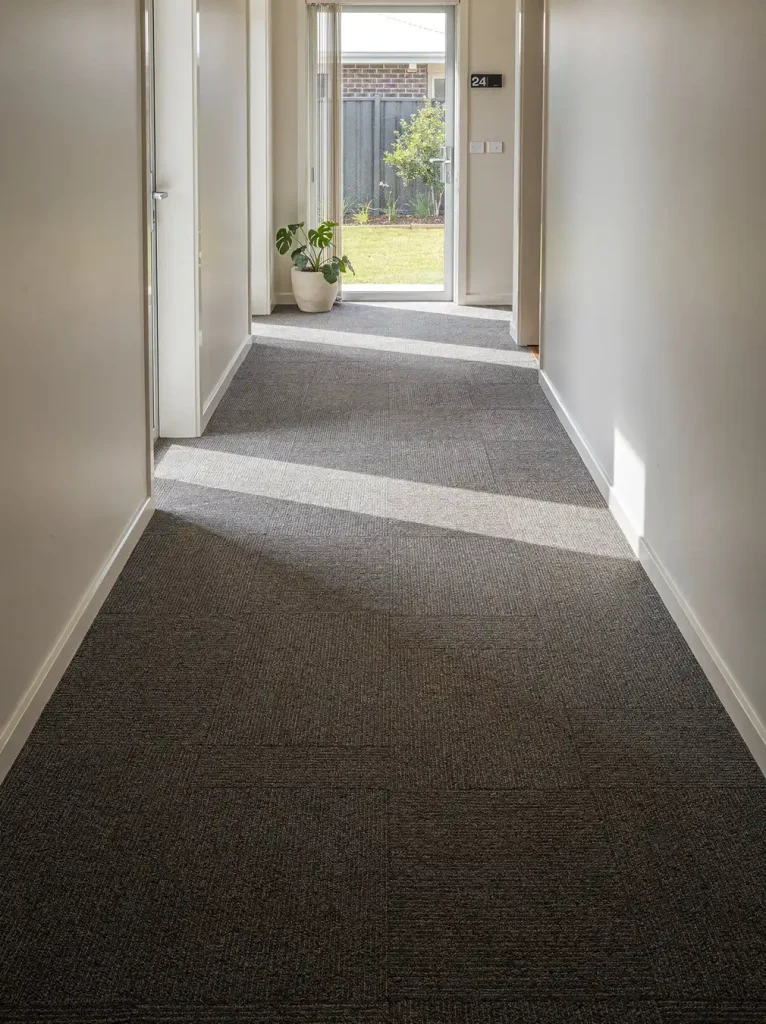
It is a familiar Rockingham scene. The family piles back through the door after a morning at Palm Beach or the foreshore, towels slung over shoulders, thongs half-full of grit, and the dog trailing a fine dusting of sand down the hallway. Beach sand travels far more easily than people expect, working its way deep into carpet pile with every step. Good habits go a long way, but even the most careful households eventually need professional carpet cleaning in Rockingham, WA to fully lift the grit that settles beyond the reach of a vacuum.
This guide focuses on the sand itself – the physical, abrasive grit – and gives you a practical routine to keep it under control through the busy beach season.
Prefer to watch or listen?
Listen onApple Podcasts
Why Beach Sand Is Uniquely Damaging
Beach sand is not just untidy. It is abrasive. The fine, angular grains found along the Rockingham coast slip between carpet fibres and settle at the base of the pile, where you cannot see them.
Every time someone walks across that carpet, those grains grind against the fibres like sandpaper. Over months and years, this steady abrasion wears down the pile, dulls the colour and shortens the life of the carpet. The damage happens slowly and invisibly, which is exactly why it is so easy to underestimate.
Unlike surface dust, embedded sand does not simply wipe away. It lodges deep and stays put until it is physically lifted out.
Common Entry Points in Rockingham Homes
Sand rarely arrives through a single door. In most homes it has several favourite routes indoors:
- The front door, where visitors and family come and go after outings.
- The back door, often the fastest path from the yard, pool or beach gear to the living area.
- The garage access door, which collects grit dropped from car boots and shoes.
- Pet pathways, where dogs bring in sand caught in their paws and coats.
- Beach-gear staging areas, where wet towels, bags and boards get dumped and shed sand as they dry.
Knowing where sand enters lets you place your defences where they actually matter.
Building Your Entryway Defences
The most effective way to protect your carpets is to stop sand before it reaches them. A few simple additions at each entry point make a real difference:
- Place a coarse outdoor mat and a softer indoor mat at each main door, so shoes are scraped and then wiped.
- Set up a shoe-off zone just inside the door, with a bench or basket to make it easy.
- Keep a boot tray or shallow container for sandy thongs and sandals.
- Consider a rinse station or hose near the back door for feet and paws after beach trips.
These small barriers catch the bulk of the grit at the threshold, where it is easy to sweep or shake away rather than deep in the carpet where it does harm.
Daily and Weekly Habits That Keep Sand in Check
Entryway defences work best alongside a few consistent habits. During the warmer months when beach trips are frequent, a little routine care prevents a heavy build-up.
Shake out towels, mats and beach gear outdoors, never over the carpet. Vacuum high-traffic zones such as hallways and lounge areas more often when you are visiting the beach regularly – a quick pass every day or two beats a single big clean once a week.
Technique matters as much as frequency. To lift settled grit, slow down. Push the vacuum forward and pull it back in overlapping strokes, and go over high-traffic areas several times from different directions. Fast, single passes glide over the surface and leave the deep grit behind. Taking your time lets the vacuum work grains up and out of the pile.
Managing Sand in High-Risk Spots
Some areas collect far more sand than others, and much of it settles unseen. Hallways funnel foot traffic and take the heaviest load. Lounge areas gather grit dropped as people relax after an outing.
Pay particular attention along skirting boards and the edges of rooms, where fine sand drifts and sits quietly out of sight. Running the vacuum’s crevice tool along these edges each week stops a hidden reservoir of grit from building up. The same goes for under lounge cushions and around the legs of furniture in living zones.
When Routine Care Is Not Enough
Regular vacuuming manages the sand near the surface, but it has limits. Fine grains that have worked their way to the base of the pile often sit below where household suction can reach.
A few signs suggest sand has embedded too deep for routine care:
- The carpet feels gritty underfoot even after a thorough vacuum.
- You hear a faint crunch when you press your hand into the pile.
- High-traffic paths look flattened, dull or worn compared with protected areas.
When this happens, hot water extraction is the reliable answer. The process flushes deep grit out of the pile that no vacuum can lift, restoring the carpet and easing the abrasive wear. This kind of deep clean also complements the ongoing care coastal homes need against the salt air challenges of living by the sea, as covered in our guide to how coastal living affects your carpets.
Controlling sand is really just one seasonal challenge for beachside households. As the weather turns warmer and muggier through summer, another layer of difficulty arrives – the way warm, humid conditions affect how carpets dry, hold moisture and trap the grit tracked in during the busy beach season. Understanding how summer air conditions influence carpet care is the next piece of keeping a coastal home fresh year-round.