
Many homeowners assume their carpets only need attention when they look dirty — but by that point, a lot of the damage has already been done. A professional carpet cleaning schedule built around your actual household conditions is one of the most straightforward ways to protect one of your home’s biggest investments. Here’s how to figure out what that schedule should look like for your Rockingham home.
Prefer to watch or listen?
Listen onApple Podcasts
The General Rule — and Why It’s Just a Starting Point
The commonly cited recommendation is once every 12 to 18 months for professional carpet cleaning. For some households, that’s perfectly appropriate. For others, it’s not nearly enough. The one-size-fits-all advice exists because it suits the average home — but most homes aren’t average.
What that guideline doesn’t account for is the sheer variation in how carpets are actually used. A retired couple in a two-bedroom home with no pets has very different cleaning needs to a family of five with a dog and a toddler who eats on the floor. Starting with the 12-month rule and then adjusting based on your own circumstances is a much more useful approach.
It’s also worth noting that carpet manufacturers often include cleaning frequency recommendations in warranty documentation. If your carpet is still under warranty, it’s worth checking what’s specified — failing to meet those requirements can sometimes affect your ability to make a claim.
How Household Size and Activity Affect Your Schedule
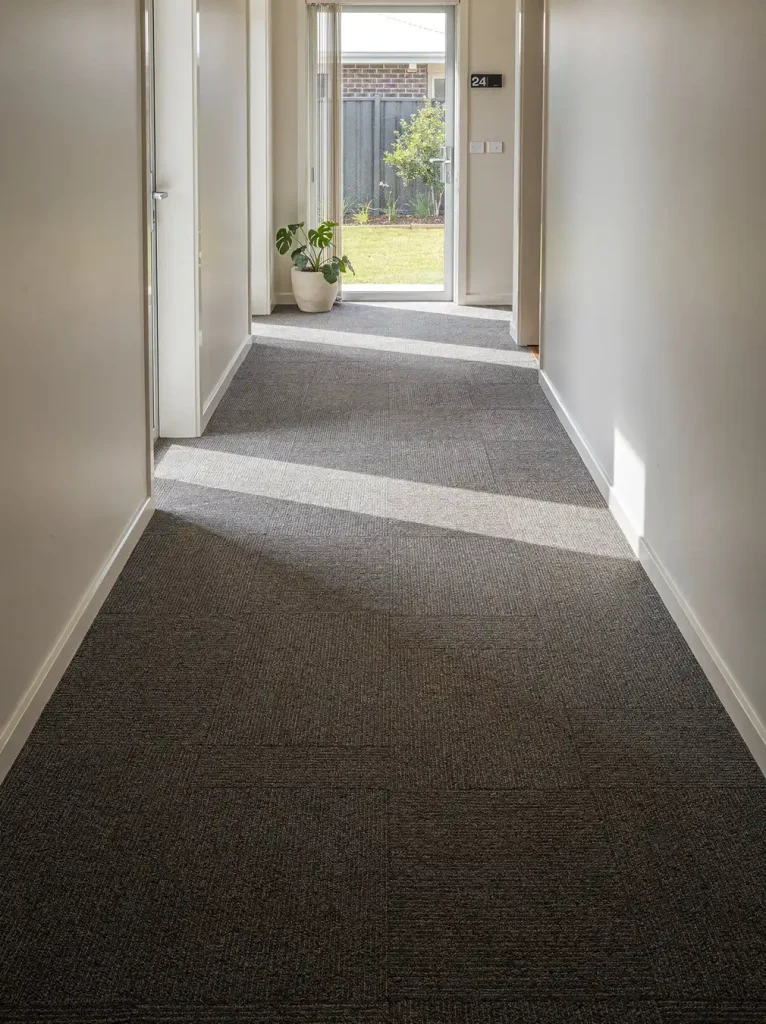
Foot traffic is one of the biggest drivers of carpet wear and soiling. More people moving through a home means more dirt, more oils from skin and footwear, and more ground-in debris. High-traffic areas like hallways, living rooms, and stairs tend to deteriorate significantly faster than bedrooms or formal lounges that rarely get used.
For a single person or couple with no children or pets and moderate activity, a professional clean every 12 to 18 months is usually reasonable. Add two or three children into the mix and that frequency should shift closer to every 6 to 12 months. Households with young children who spend a lot of time on the floor — eating, playing, craft activities — often find that more frequent cleaning is simply necessary to keep things hygienic.
It’s also worth thinking about whether you have regular visitors or run any kind of home-based activity. Home offices, playgroups, or frequent guests all add to the cumulative load on your carpets in ways that aren’t always obvious day to day.
Pets and Allergies — When Standard Timelines Don’t Apply
Pets are one of the most significant factors in carpet cleaning frequency. Dogs and cats shed hair and dander continuously, and that material works its way deep into carpet fibres where regular vacuuming can’t fully reach it. Pet accidents — even when cleaned up quickly — can leave residues that cause odour problems over time if not addressed professionally.
If you have one or more indoor pets, most cleaning professionals recommend scheduling a professional clean every 6 months rather than annually. Homes with multiple pets or animals that spend a lot of time indoors may need attention even more frequently.
Allergy and asthma sufferers should also consider cleaning frequency carefully. Carpets can trap allergens including dust mites, pollen, and mould spores. In Rockingham’s coastal climate, where humidity can rise during certain months, the conditions that allow dust mites to thrive are more likely to be present. For households where someone suffers from respiratory conditions, cleaning every 6 months is a practical minimum, not a luxury.
Rockingham’s Local Environment and What It Means for Your Carpet
Living near the coast comes with some specific considerations that inland suburbs don’t face to the same degree. Salt air, sandy soil, and higher humidity during parts of the year all affect how quickly carpets accumulate grime and how challenging that grime can be to remove once it’s embedded.
Sandy deposits are a particular issue in Rockingham and surrounding coastal areas. Fine sand particles are abrasive and, when ground into carpet fibres through regular foot traffic, gradually cut and weaken the fibres over time. Regular vacuuming helps, but it doesn’t eliminate the problem entirely — professional cleaning is needed to extract the finer particles that settle deep into the pile.
Homes that are close to the beach or that have outdoor entertaining areas where sand is tracked inside may find they need to clean their carpets more frequently than inland equivalents with similar household sizes. It’s not just an aesthetic issue — it’s a matter of carpet longevity.
The Role of Regular Vacuuming Between Professional Cleans
Professional cleaning and regular vacuuming work together — they’re not interchangeable. Vacuuming removes surface debris and loose particles before they get worked into the carpet, which significantly reduces the rate at which your carpet soils deeply. A household that vacuums frequently can reasonably extend the interval between professional cleans compared to one that rarely vacuums.
For most Rockingham homes, vacuuming high-traffic areas two to three times per week is a sensible target. Less-used rooms may only need attention once a week or less. The goal is to prevent material from building up and settling into the base of the carpet pile where it becomes much harder to shift.
Spot cleaning spills as soon as they happen also makes a real difference. The longer a spill sits, the more likely it is to set into a stain that requires professional attention. Blotting rather than scrubbing is the right approach — rubbing a spill spreads it and pushes it deeper into the fibres.
Making Sense of What Your Home Actually Needs
Rather than trying to apply a single rule across your whole home, it helps to think room by room. Living areas and hallways used every day by multiple people need attention more often than a spare bedroom that’s rarely occupied. Some households find a practical approach is to schedule a full clean annually and address high-traffic areas more frequently as needed.
If you’re genuinely unsure where to start, a useful benchmark is to consider whether your carpet looks visibly different from when it was last cleaned, whether there are any odours present, or whether household members are experiencing more allergy symptoms than usual. These are practical signals that a professional clean is due regardless of the calendar date.
Choosing the right cleaning method for your carpet type and household situation is just as important as getting the frequency right — and if you’re weighing up which cleaning approach best fits your home and carpet condition, it’s worth understanding how each one actually works before you decide.