
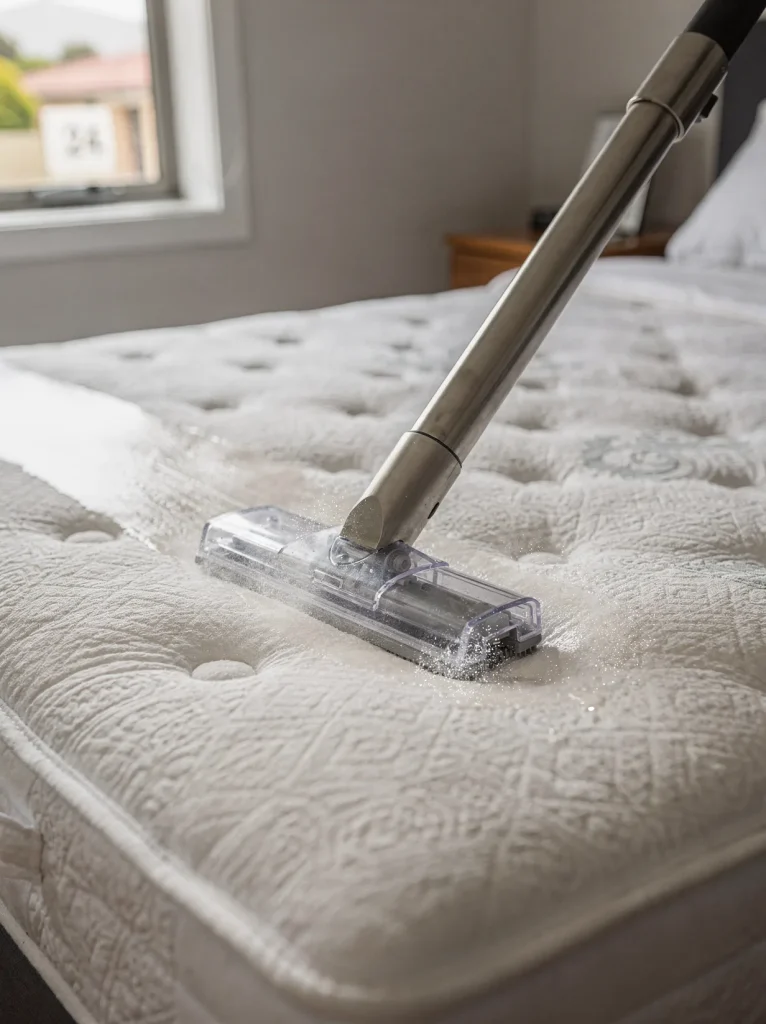
You’ve just had your carpets cleaned, the room looks fresh, and the first thing on your mind is a simple one: how long until you can actually use it? It’s a fair worry, especially in a busy household. The truth is that drying time isn’t a fixed number – it shifts depending on the weather, your carpet and, in part, the cleaning approach used. Because different carpet cleaning options leave carpets with very different levels of moisture, the drying window can range from a couple of hours to most of a day.
If you’re still weighing up methods, our breakdown of how the main cleaning approaches compare covers that ground. Here, we’re focused purely on what happens after the clean – how carpets dry, and how the Perth and Rockingham climate plays into it.
Prefer to watch or listen?
Listen onApple Podcasts
What Actually Determines Carpet Drying Time
Drying comes down to how much moisture is left in the carpet and how easily that moisture can escape. Several things influence both.
- Moisture left behind: The wetter a carpet is after cleaning, the longer it takes to dry. A thorough extraction pass removes far more water than a light one, so the finishing technique matters.
- Fibre type: Synthetic fibres like nylon and polyester release water quickly. Natural fibres such as wool hold moisture longer and dry more slowly.
- Pile density and height: Thick, plush carpets trap more water between the fibres than low, tight loops, so denser piles stay damp longer.
- Backing and underlay: A heavy backing or an older, absorbent underlay can hold moisture beneath the surface even when the top feels dry.
These factors combine differently in every home, which is why two carpets cleaned on the same day can dry at very different rates.
How Rockingham’s Coastal Climate Affects Drying
Living near the coast shapes how carpets dry in ways inland suburbs don’t always face. Humidity is the big one. Moist air holds less capacity to draw water out of your carpet, so on a sticky, still day drying slows right down.
The Rockingham sea breeze can work in your favour, though. A steady afternoon breeze moving through open windows pulls damp air out and brings drier air in, speeding things up. Temperature matters too – warm air carries moisture away faster than cool air, so the season you clean in changes the picture significantly.
The trade-off is that coastal humidity can spike quickly, particularly in the mornings and after rain. On those days, relying on outside air alone may not be enough.
Typical Drying Windows Across the Seasons
While every job varies, you can use the season as a rough guide to what to expect.
- Summer: Warm, dry days with good airflow are ideal. Carpets often feel dry to the touch within a few hours, with full drying not far behind.
- Autumn and spring: Milder temperatures and moderate humidity usually mean a moderate window – expect several hours, sometimes stretching into the evening.
- Winter: Cool, damp air and shorter days slow everything down. Carpets can take most of a day, and occasionally longer, to dry fully. Wet weather and closed-up homes make this worse.
These are general patterns, not promises. A humid summer morning can dry more slowly than a crisp, breezy winter afternoon. What matters is reading the conditions on the day.
Practical Ways to Speed Up Drying Safely
You can do a lot to help carpets dry faster without risking damage. The goal is simple: keep air moving across the surface.
- Open windows on dry days: Cross-ventilation lets damp air out and fresh air in. This works best when the outside air is drier than the inside.
- Run ceiling or pedestal fans: Directing airflow across the carpet lifts moisture from the fibres steadily. Fans are one of the most effective tools you have.
- Use air conditioning in humid weather: On sticky days, running the aircon dehumidifies the room and often dries carpets faster than open windows would.
- Keep foot traffic light: Walking on damp carpet presses dirt back in and slows drying. If you must cross a room, clean socks are better than shoes or bare feet.
- Avoid replacing furniture too early: Putting heavy items back on damp carpet traps moisture underneath and can leave marks.
What you shouldn’t do is apply direct high heat or block ventilation in an attempt to rush things. Steady airflow does the job without stressing the fibres.
Signs Your Carpet Is Fully Dry – and Why Rushing Matters
Surface dry and fully dry are not the same. The top of the pile can feel dry within a couple of hours while the base and backing still hold moisture. To check properly, press a folded paper towel firmly into the pile for a few seconds – if it comes away damp, the carpet needs more time. Cool or clammy spots underfoot are another sign the fibres aren’t done yet.
Rushing back onto damp carpet causes real problems. Foot traffic on a wet surface attracts and grinds in fresh dirt, undoing much of the clean. Trapped moisture that lingers too long can lead to musty odours, and in the worst cases it creates conditions where mould and mildew take hold – a genuine risk in a humid coastal climate. Letting carpets dry fully protects both the result and the fibres.
Knowing how long your carpets will stay damp is really just one piece of a bigger picture. Homeowners tend to feel far more at ease when they understand how the whole visit unfolds – from the moment the technician arrives through to the point the carpets are ready to use again. That’s exactly what a clear look at the process of a professional carpet clean from start to finish can offer.