
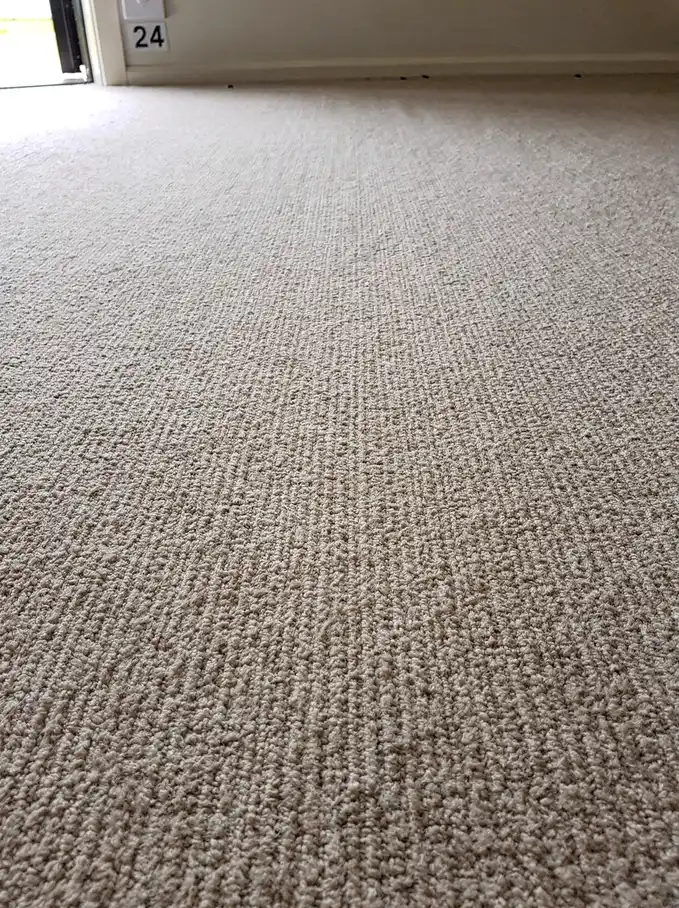
Most people assume that regular vacuuming keeps a carpet genuinely clean. It certainly helps, and skipping it makes everything worse. But a vacuum only lifts loose surface debris. The finer dirt, oils, allergens and moisture work their way down into the base of the fibres, where suction simply can’t reach. Learning to read these deeper warning signs is the first real step before arranging professional carpet cleaning, because the symptoms usually appear well before the carpet looks obviously dirty.
Rather than following a rigid calendar, it helps to treat your carpet like something you can ‘read’. Below are the signs worth paying attention to.
Why Vacuuming Has Limits
A vacuum is designed to pull away the lighter material sitting near the surface: crumbs, hair, dust and grit that hasn’t yet been ground in. That’s valuable, and doing it often protects the fibres from abrasive damage.
What it doesn’t remove is just as important. Sticky residues, body oils, food and drink deposits, fine dust and airborne allergens bind to the fibres and sink below the reach of suction. Over time this embedded layer changes how the carpet looks, smells and feels. No amount of extra vacuuming shifts it, because it isn’t loose material anymore.
Visual Signs to Watch For
Your eyes usually notice the problem first, even if you can’t name it. Look for these changes:
- Traffic-lane greying: darker or duller pathways where people walk most, often in hallways and in front of couches.
- Matting and flattening: fibres that stay crushed and no longer spring back, giving the carpet a tired, worn appearance.
- Overall dulling: the colour looking flat or washed out compared with protected areas under furniture.
- Stains that reappear: marks that fade after you clean them, then resurface days later as the residue below wicks back to the surface.
If a carpet looks tired even straight after vacuuming, the dullness is coming from what’s embedded, not from what’s on top.
Smell and Air-Quality Signs
Carpets act like a filter, trapping particles from the air. That’s helpful until the filter is full. When it is, you notice it through your nose and sometimes through your health.
Lingering odours that return no matter how often you clean are a strong indicator. A musty smell in particular points to moisture and possibly microbial activity deep in the pile or underlay, which is common in humid conditions or after spills that were never fully dried.
Watch for allergy flare-ups too. If sneezing, congestion or itchy eyes get worse indoors, especially in carpeted rooms, trapped dust and allergens may be the cause. These settle out of reach and become airborne again with every footstep.
Texture and Feel Signs
Run your hand across the carpet. Healthy fibres feel soft and separate easily. When residue builds up, the texture changes in ways you can feel before you can see:
- Crunchy or gritty: a sign that fine soil has worked deep into the base.
- Sticky or tacky: usually from spilled drinks or cleaning-product residue that attracts more dirt.
- Stiff or matted: fibres clumping together and losing their bounce.
A carpet that no longer feels pleasant underfoot is telling you the fibres are coated, and coated fibres attract grime faster than clean ones.
Situational Triggers Around Rockingham Homes
Some homes simply build up embedded soil faster, and a few local factors speed things along. Pets bring in dander, oils and the occasional accident that seeps beyond the surface. Young children mean more spills and food traffic.
Coastal humidity in Rockingham can keep carpets from drying properly after a spill, which encourages musty smells and slows recovery. Sandy grit tracked in from beaches and yards acts like fine sandpaper against the fibres.
There are also planned moments when a deep clean makes sense regardless of the signs, such as preparing a rental at the end of a lease or refreshing carpets before putting a home on the market. In these cases you’re resetting the carpet’s condition rather than reacting to a symptom.
How Often Deep Cleaning Is Realistically Needed
There’s no single answer, because it depends on how the carpet is used. As a general guide:
- Low-traffic households (one or two adults, no pets) can often go longer between deep cleans and rely on the visual and smell signs above.
- Busy family homes with children benefit from more frequent attention, as spills and traffic accumulate quickly.
- Homes with pets usually need the most regular intervention to manage dander, odour and accidents.
- Allergy-sensitive households may schedule deep cleaning proactively to keep trapped allergens under control.
The point isn’t to hit a number on the calendar. It’s to combine sensible timing with the signs your carpet is actually showing you.
Reading the Signs Is Only the Start
Once you recognise that your carpet needs more than vacuuming, the sensible next move is making sure whoever you bring in is genuinely equipped to handle your particular problem, whether that’s pet odour, recurring stains or trapped allergens. A little preparation goes a long way here, and knowing what to ask a prospective carpet cleaner beforehand is what turns a hopeful booking into the right result for your home.